AI in a mid-sized factory in 2026: what stuck, what fell away
A review of the first half of 2026 in mid-sized manufacturers: which AI use cases made it into daily work, which stayed on the slide deck and what made the difference.

This cluster covers concrete, proven industrial AI use cases, no generalities. We break down five workflows that already amortize in Polish manufacturing: service assistant for a mid-size company, AI for service knowledge management, work-instruction generation. Each time we say what really automates and what only promises to, because the gap between a demo and production is usually data and maintenance.

A review of the first half of 2026 in mid-sized manufacturers: which AI use cases made it into daily work, which stayed on the slide deck and what made the difference.

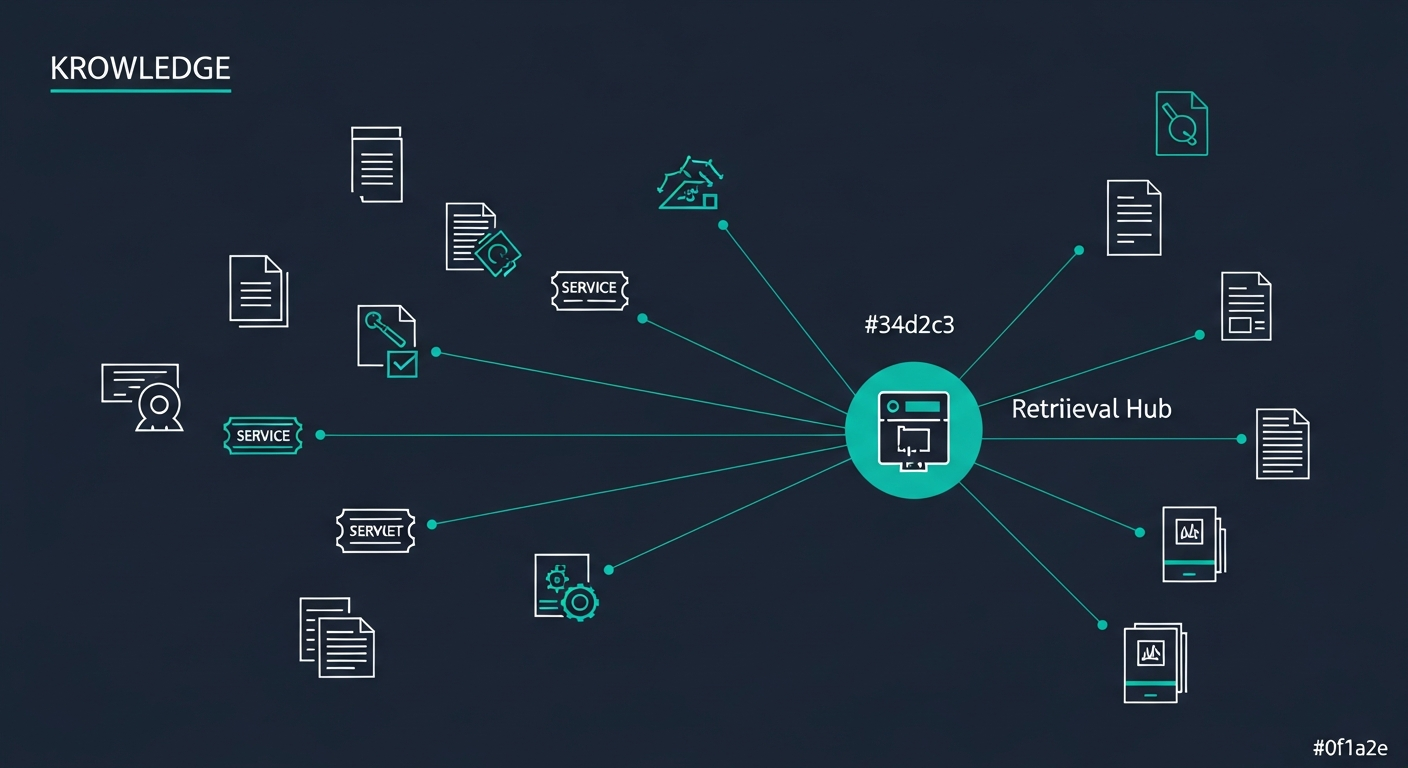
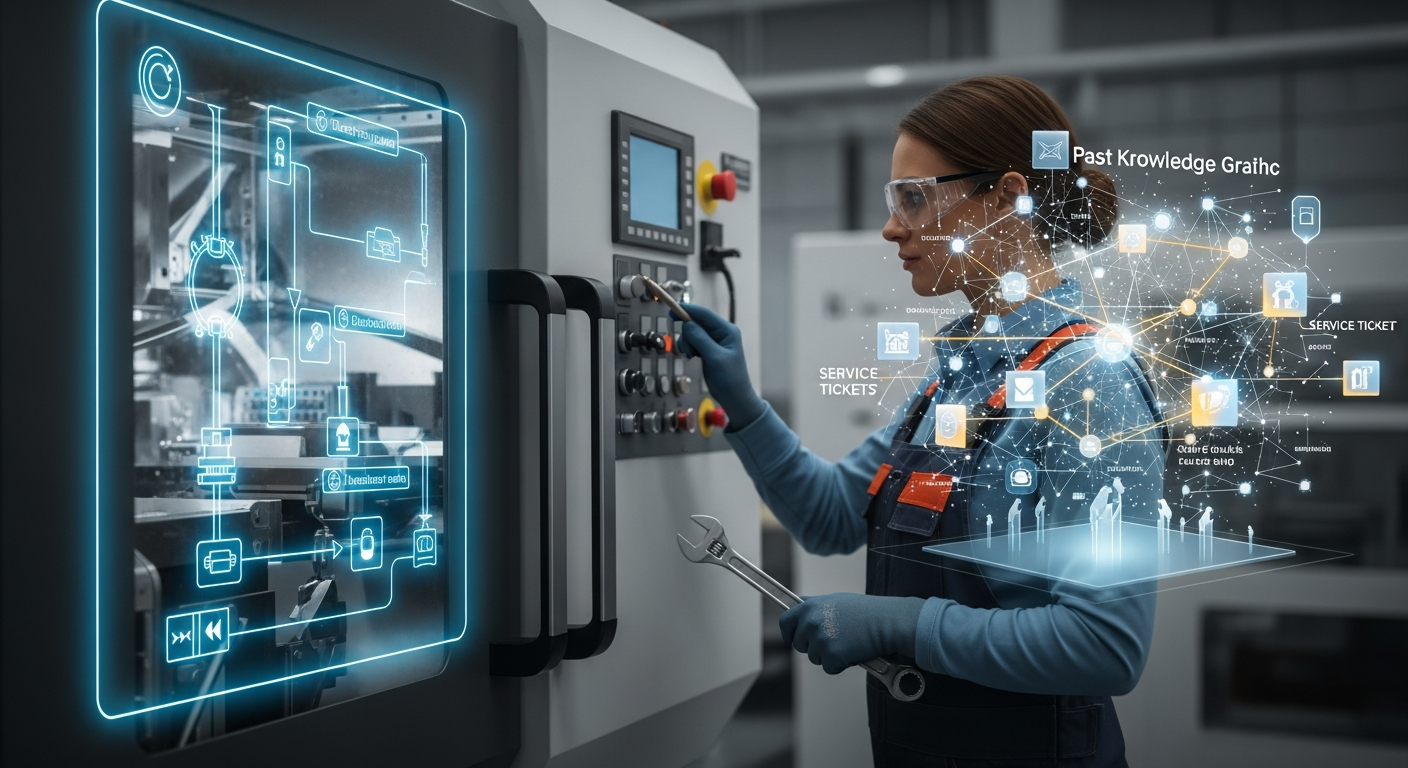
A service assistant is only as good as the knowledge you feed it. This post is about that knowledge: where it lives, how it reaches the model, why retrieval sometimes fails, and how to keep quality from rotting as ticket volume grows.

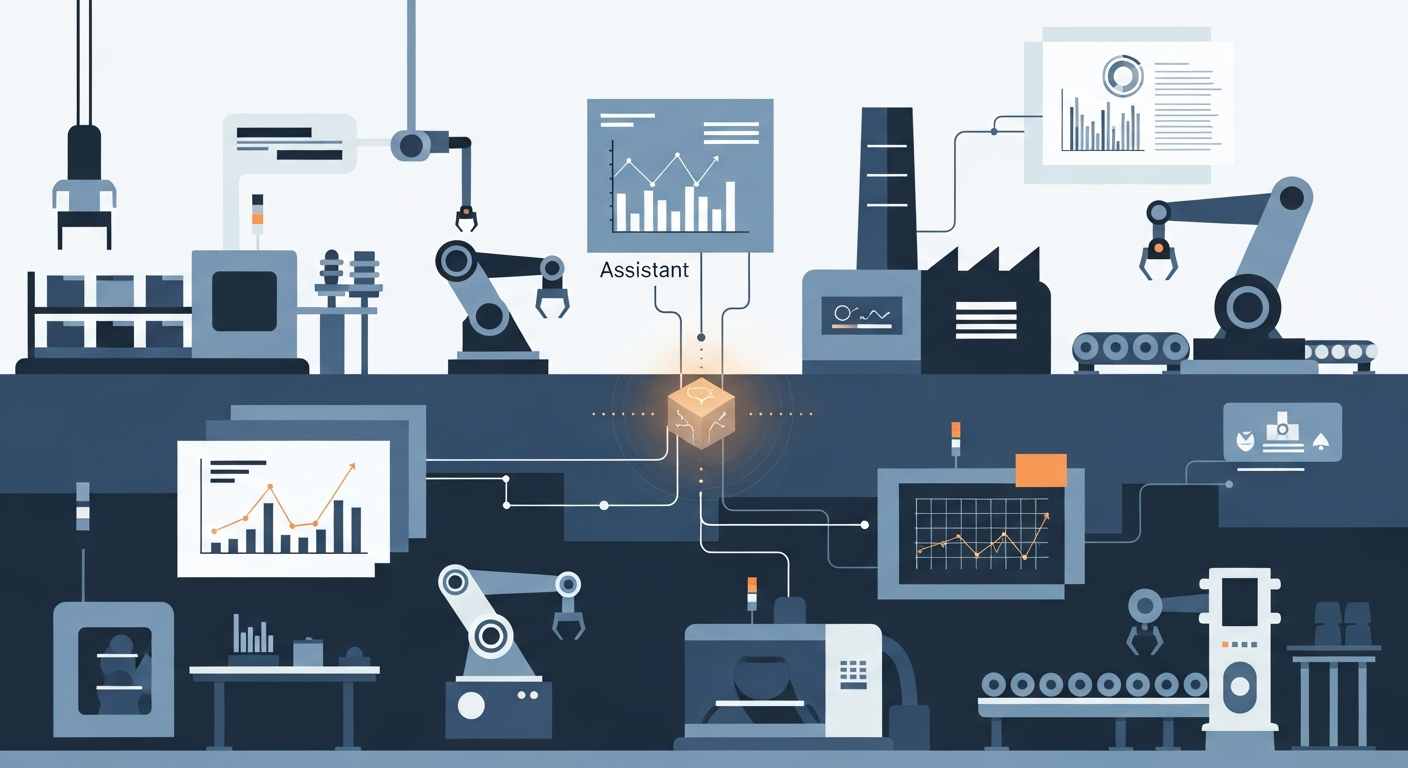
An AI service assistant isn't for everyone, but a mid-sized manufacturer has exactly the data and pain profile where it pays off. What it actually does, where it works, and what not to count in the business case.

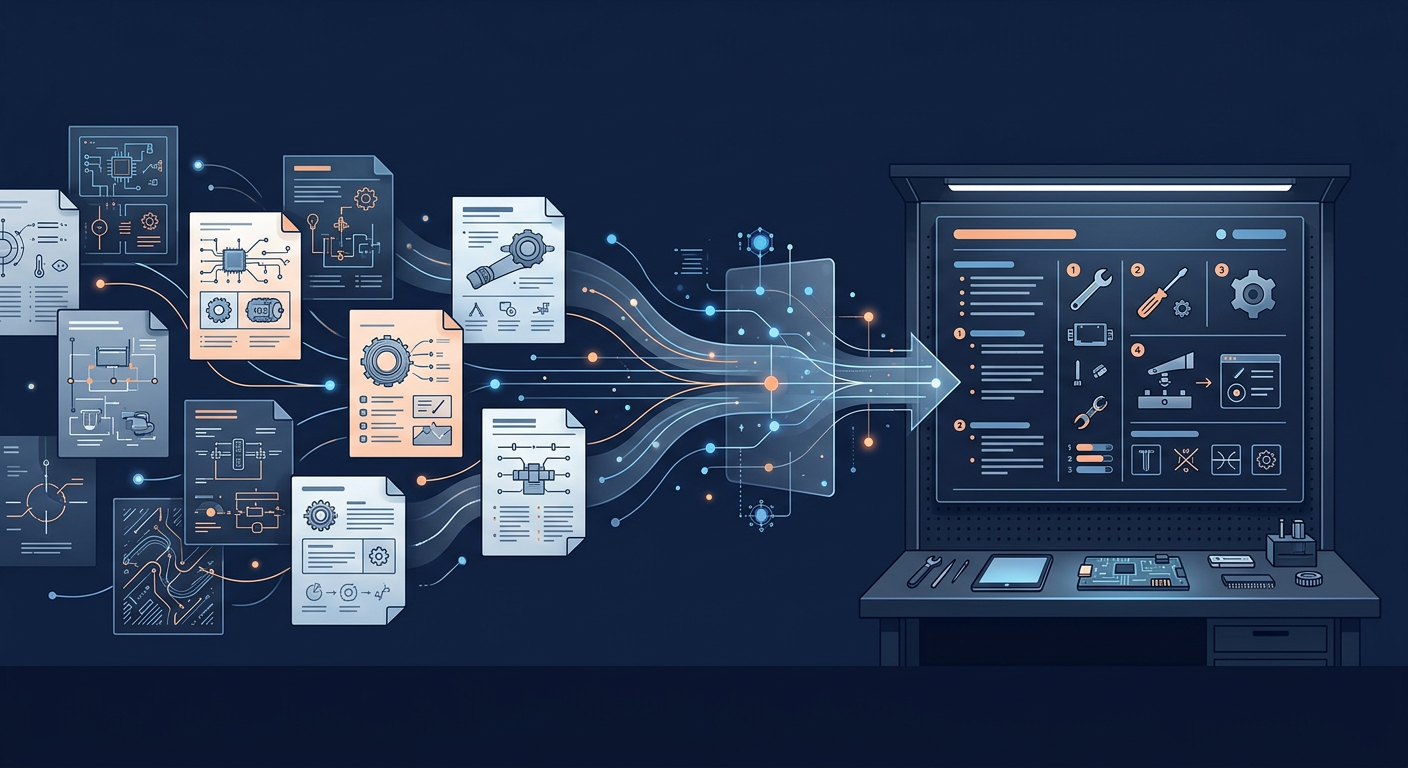
How AI-driven generation of work instructions actually works in mid-size manufacturing. Pipeline architecture, cost categories (pilot PLN 30 to 70k, full deployment 4 to 6 months), when ROI lands under 18 months, when to skip.

Five concrete AI workflows that pay off in under 18 months at a mid-sized European manufacturer. Service assistant, SOP generation, drawing-to-offer, knowledge orchestration, audit support. Numbers, pitfalls, and a 4-week framework to start.