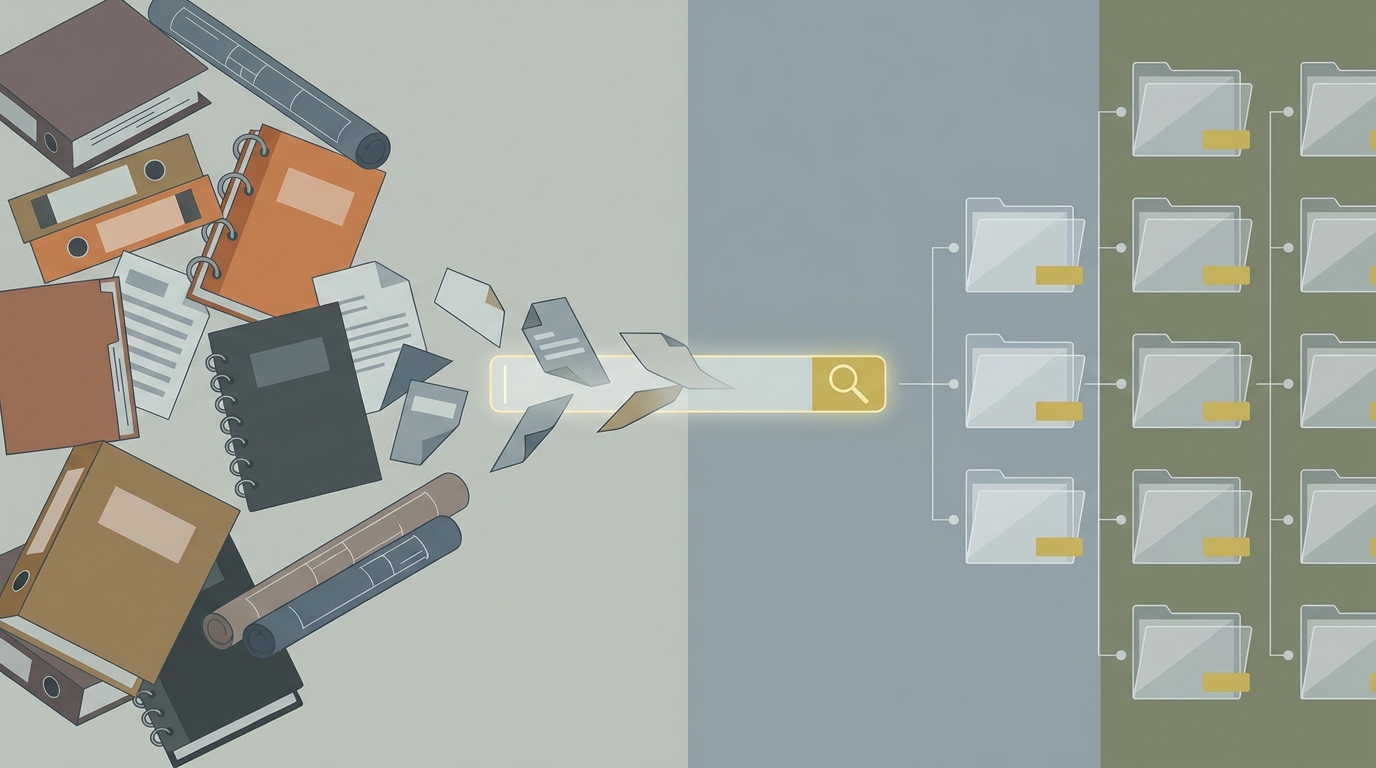
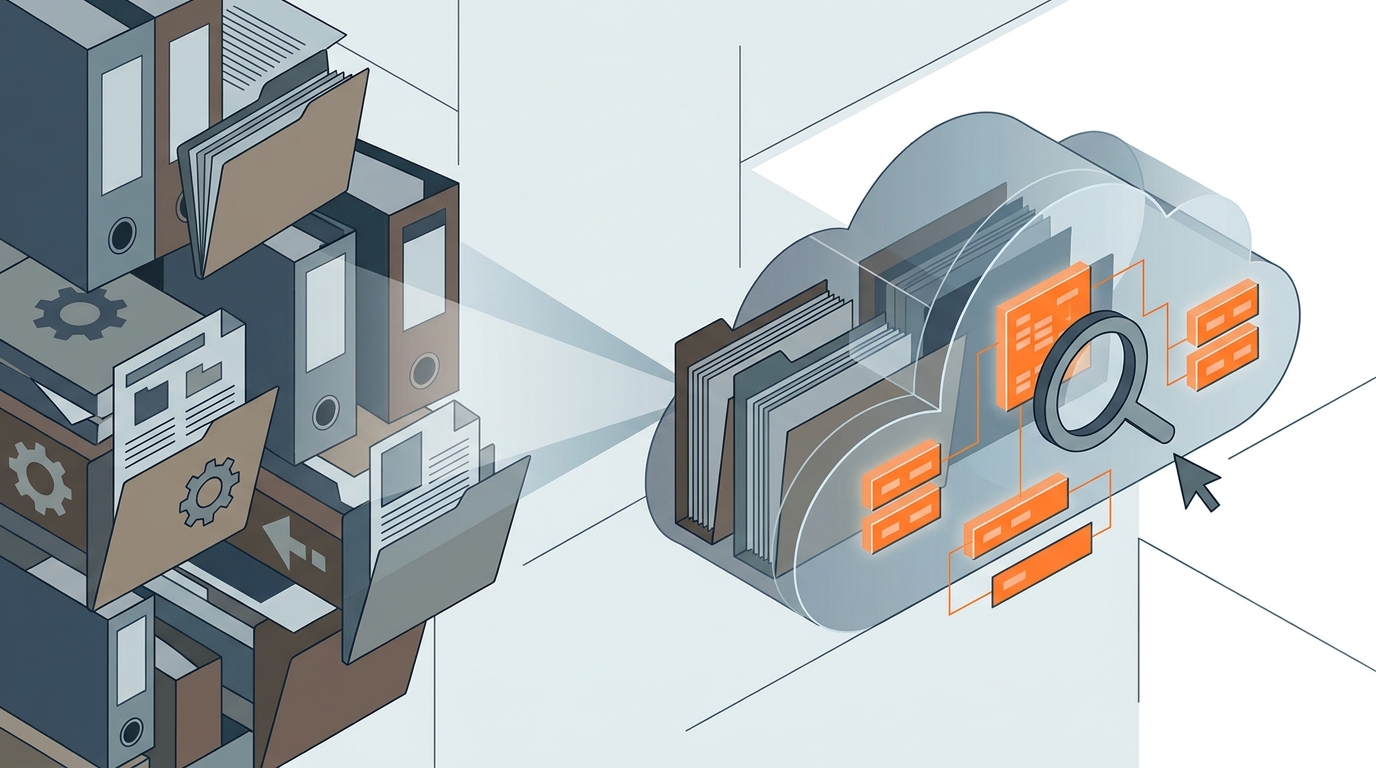
An AI assistant's answer quality depends more on the state of your documentation than on the model. Six steps that turn DTR, manuals and standards into a base the assistant actually uses.
A machine's DTR is the full pack: build, operation, maintenance, safety. What it really contains, how to organise it, and where AI genuinely helps, and where it does not.
The success of an AI rollout is not one number. A KPI framework on three levels (adoption, process, business), with a baseline before you start and an adjustment criterion. How to measure whether it really worked.
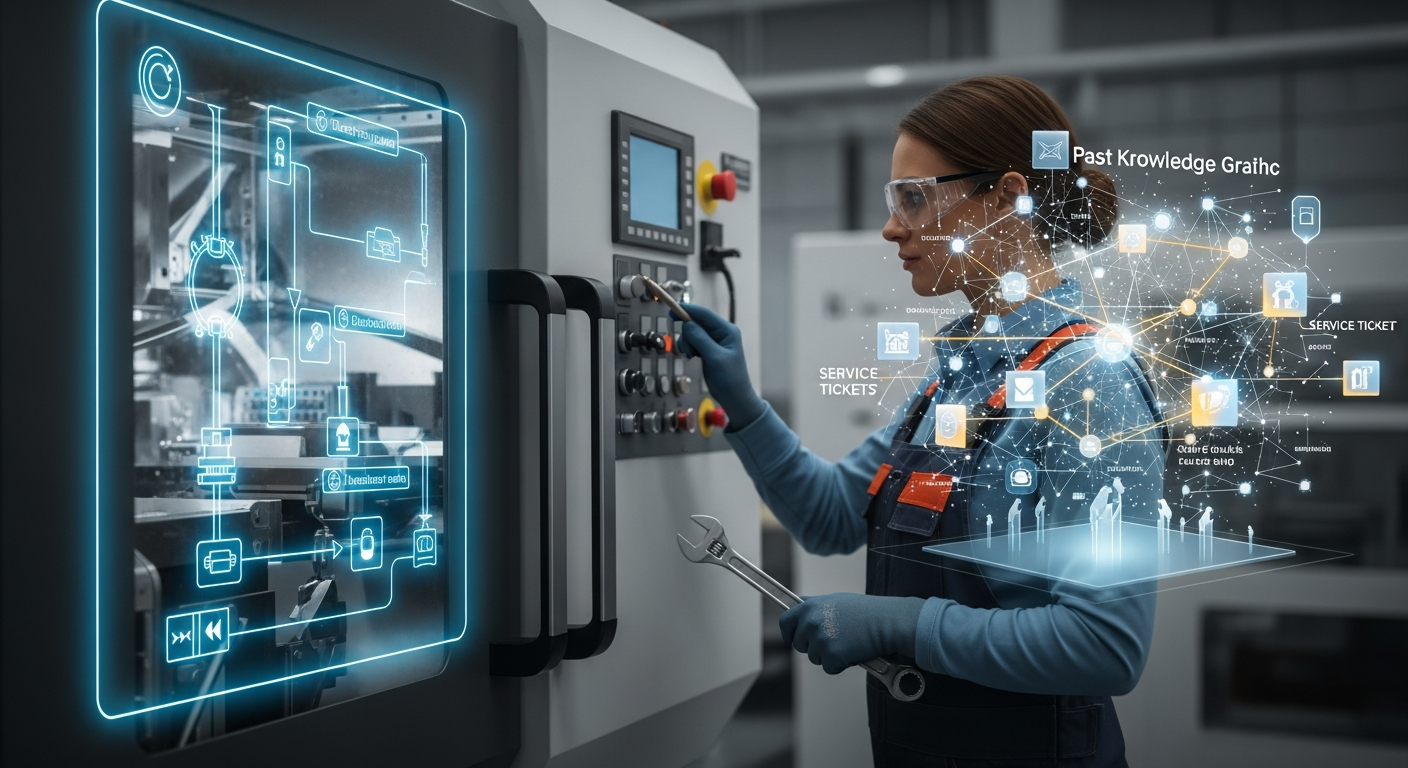
An AI service assistant is one of the few uses of AI in maintenance that pays off at a mid-sized factory without a three-year wait. Three uses that genuinely work, two that usually disappoint, who it pays off for, and where to start.
A review of the first half of 2026 in mid-sized manufacturers: which AI use cases made it into daily work, which stayed on the slide deck and what made the difference.
Pilot purgatory is an AI pilot that neither wins nor fails, it just lingers in extensions. Why pilots get stuck and how to tell when yours is ready for a go/no-go call.
What decides the quality of an AI assistant in the technical office is not gigabytes but the consistency of your sources. Real sizing: chunks, volume thresholds and why the naive setup fails.
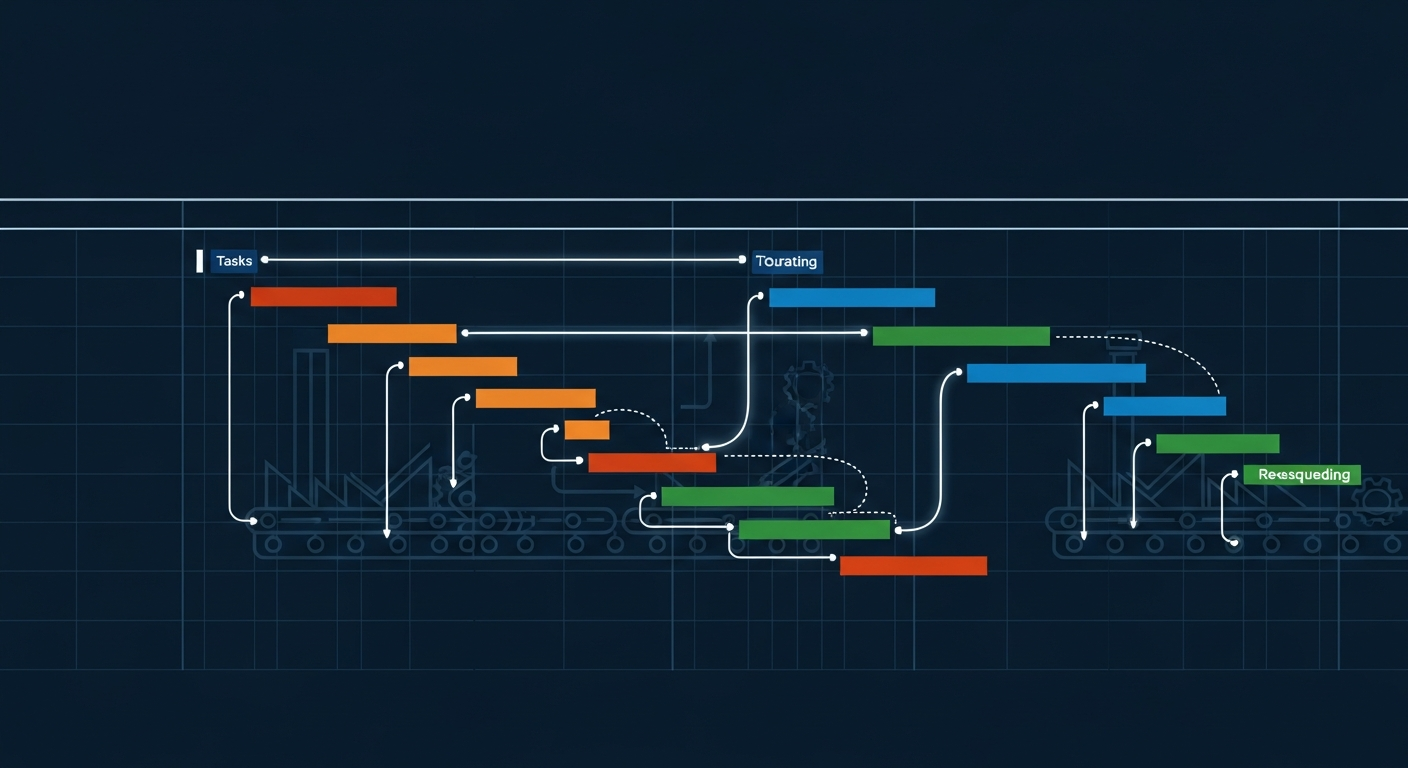
AI in production planning: where it genuinely helps and where it only creates an illusion of control. Which scheduling and APS uses hold up, and which are vendor promises.
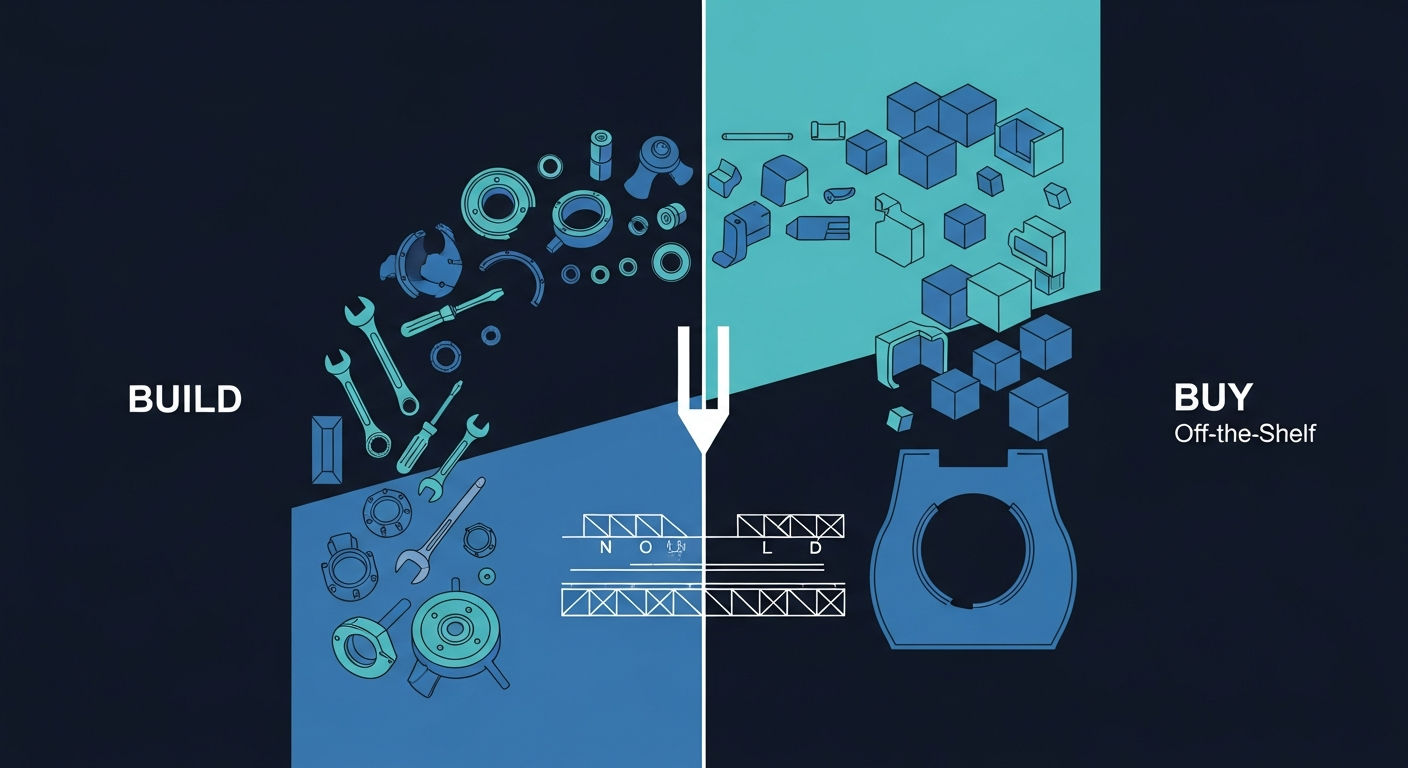
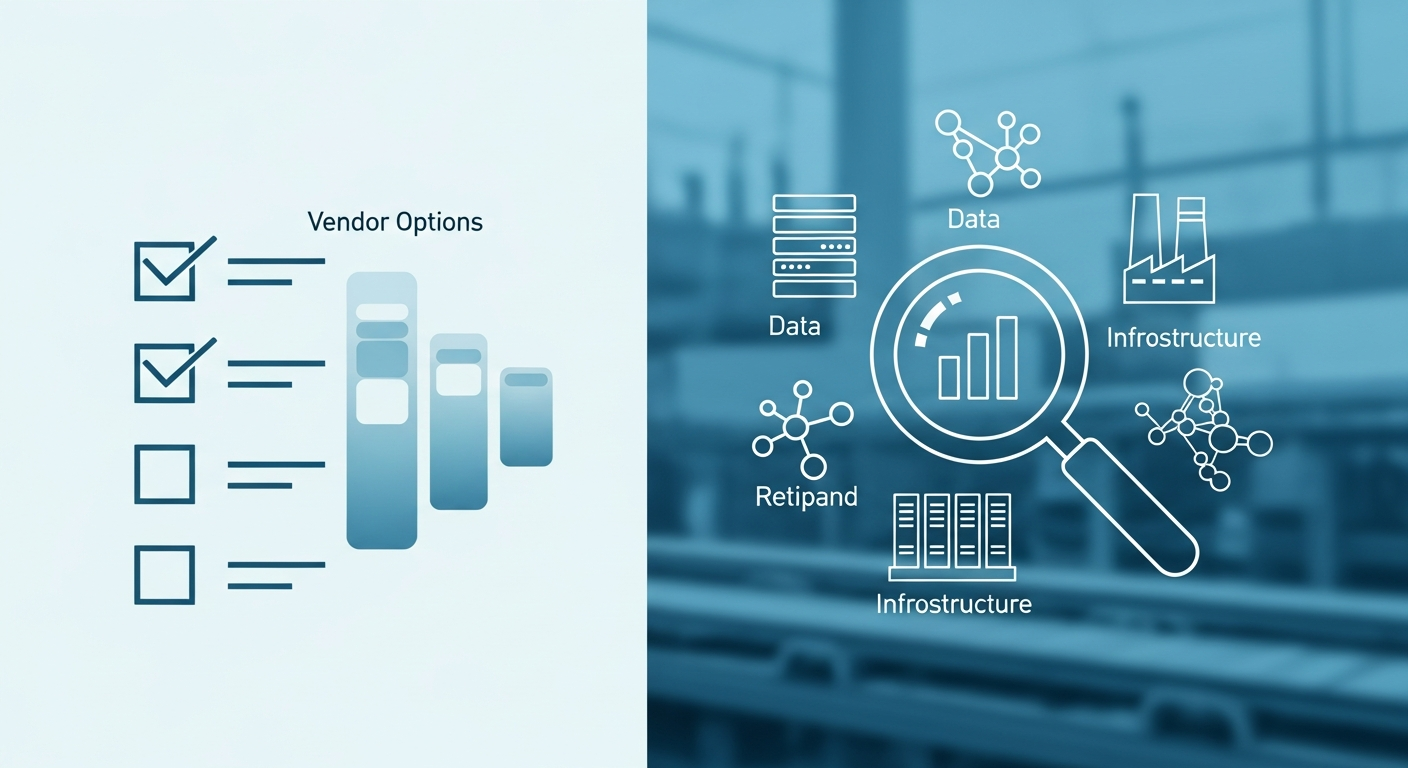
Build your own AI model or buy a ready one. An honest decision framework for manufacturers: maintenance cost, people, time to value, and risk. When buying wins, and when building makes sense.
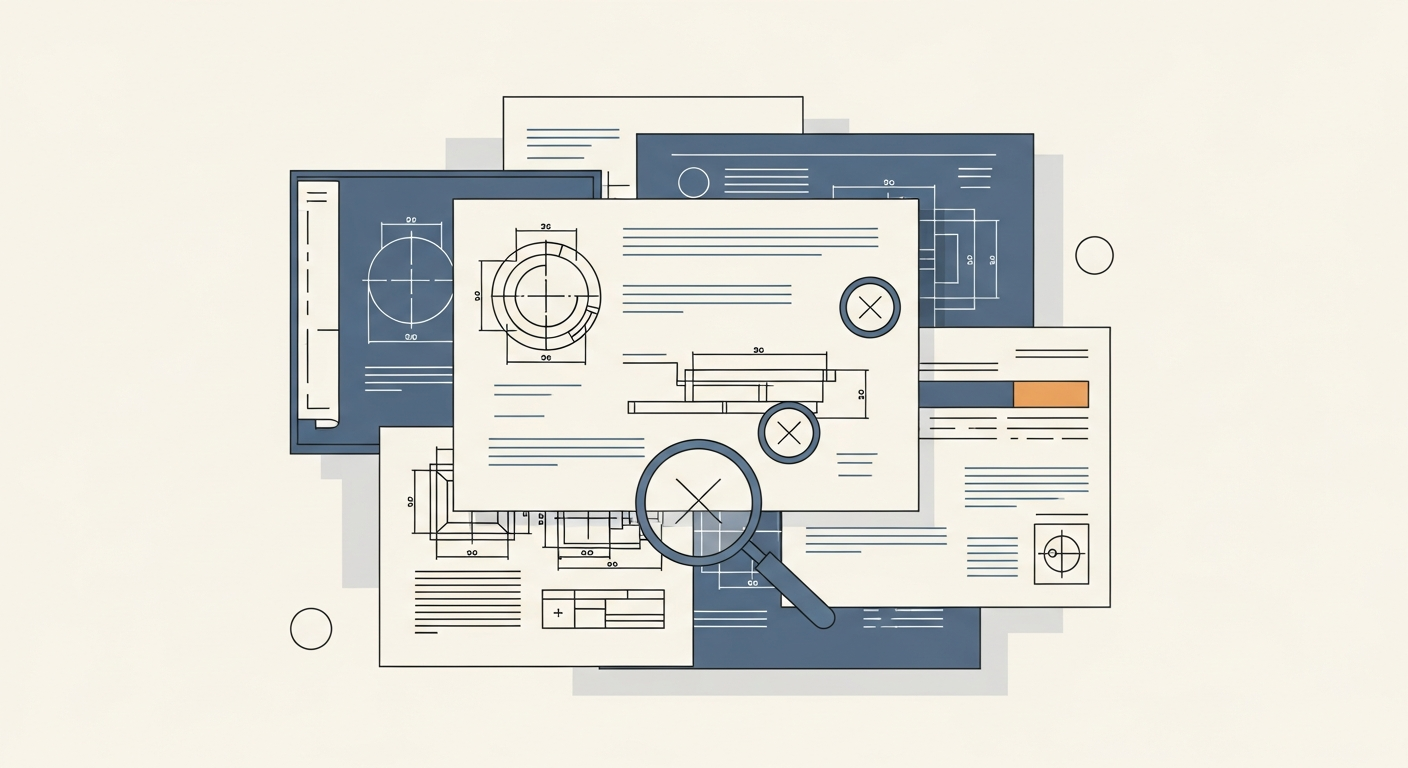
AI in technical documentation quality control catches formal inconsistencies: drawing versus spec, gaps, wrong versions. We show what it catches, what it misses, and where a person stays in the loop.
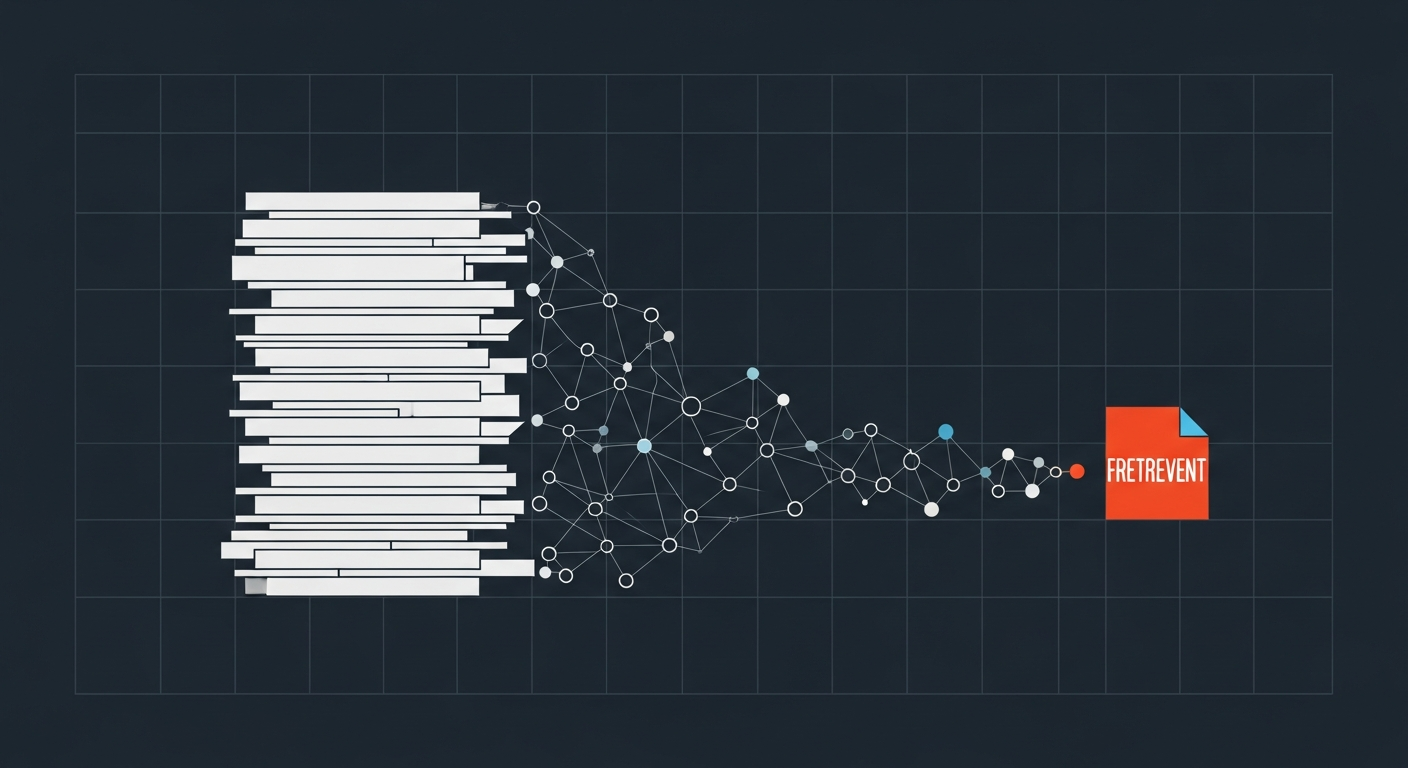
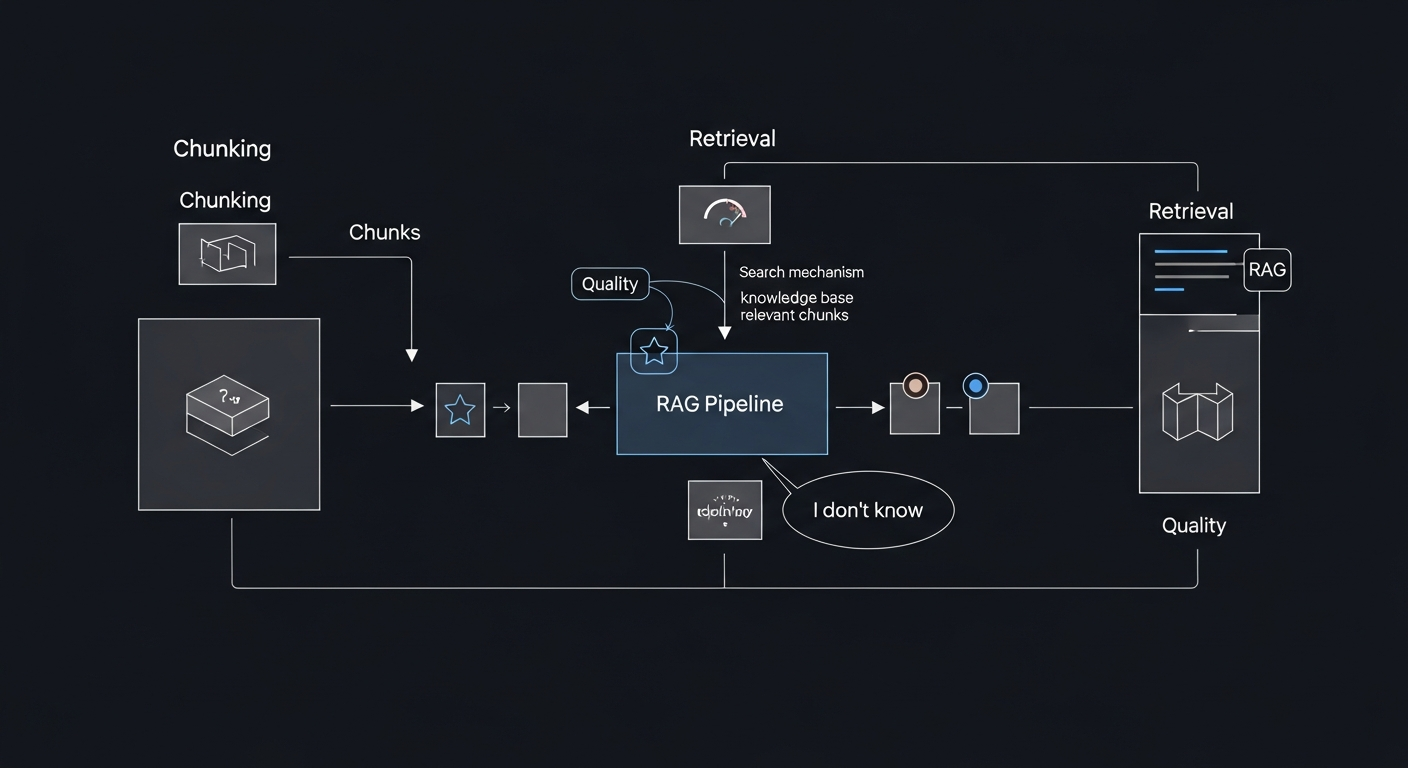
Why RAG sometimes gets it wrong and how to limit it. Chunking, embeddings, reranking, designing the "I don't know" answer, and how to measure quality before you trust the answers.
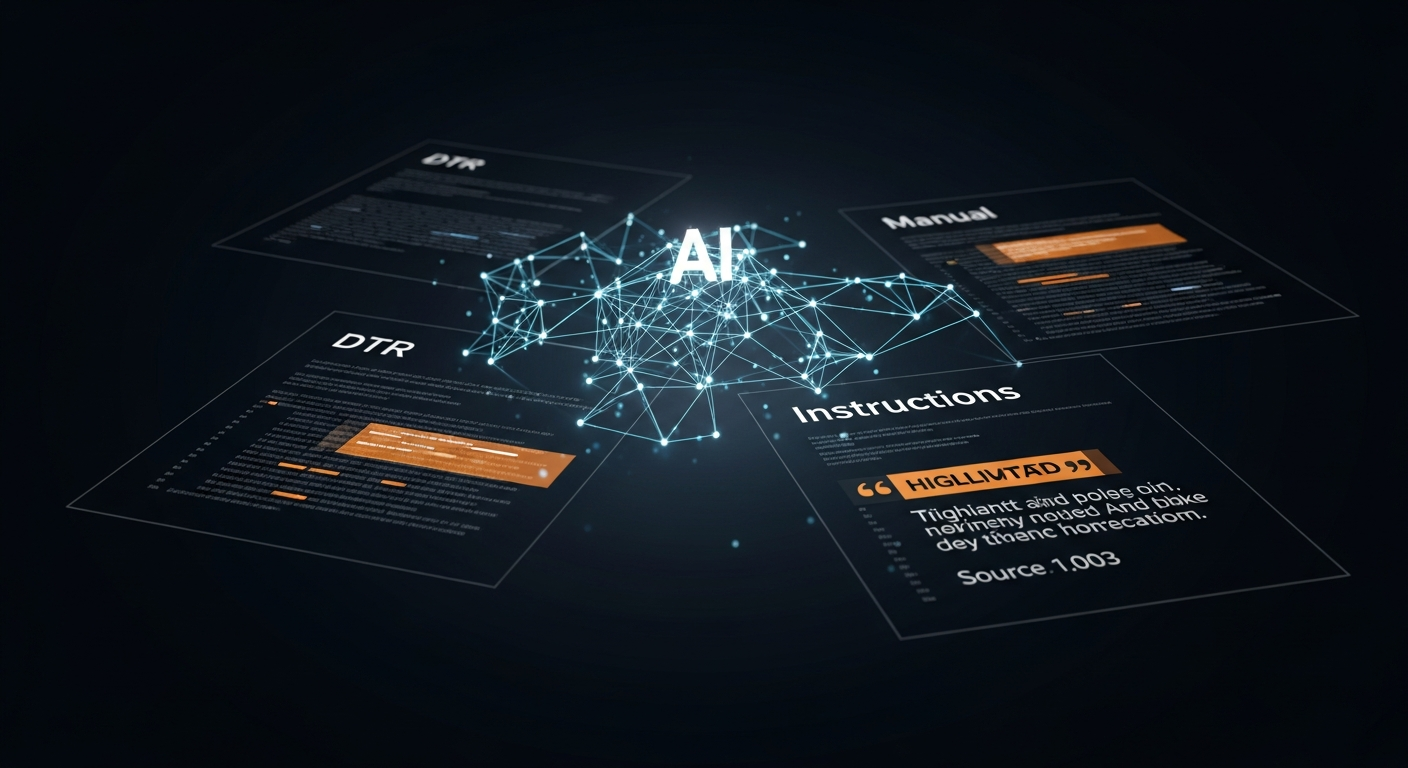
How to make AI answer from your own documentation (manuals, technical sheets, service records) instead of from memory. What RAG is, why it fits technical documentation, and where its limits are.
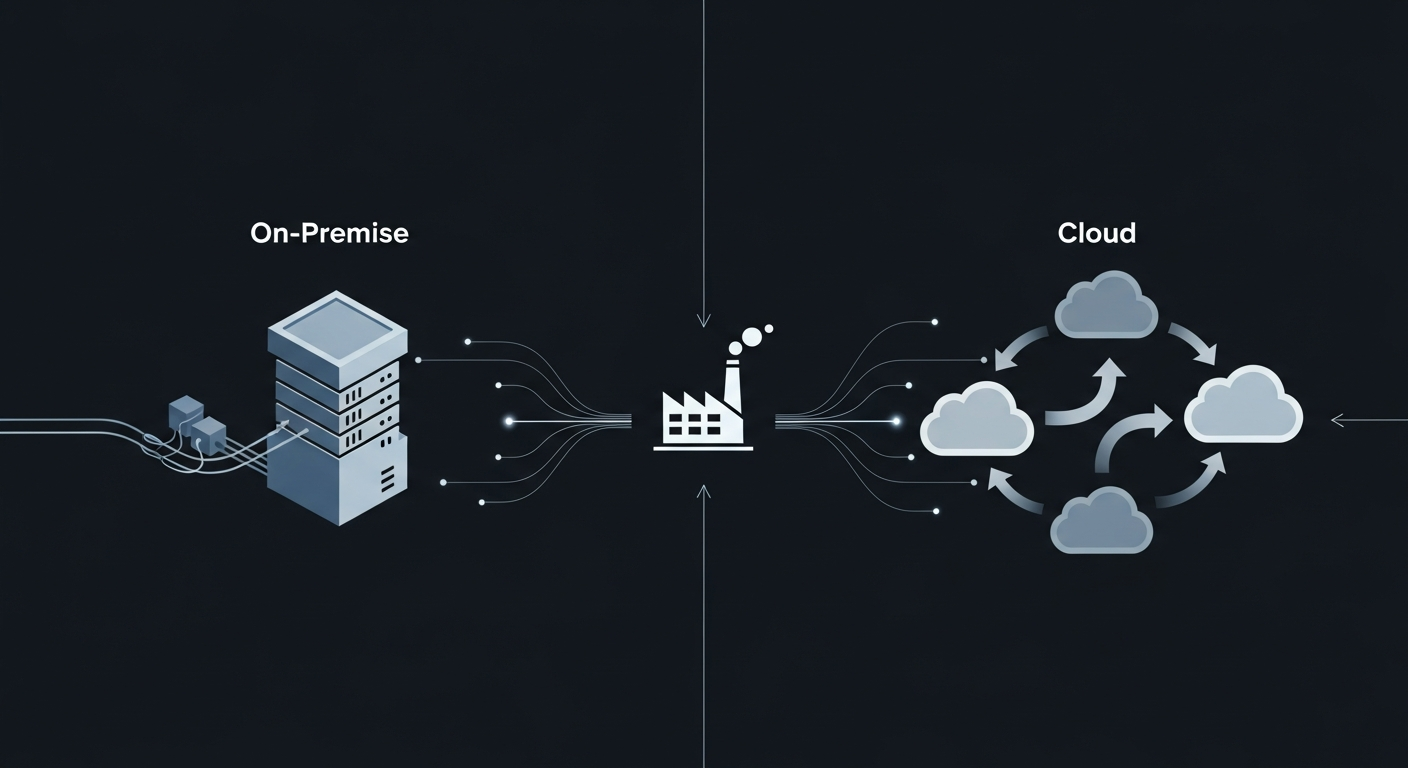
When to keep your AI on-premise and when to use the cloud. An honest checklist: data sensitivity, volume, hidden costs (people, power), latency, NIS2, and the hybrid option.
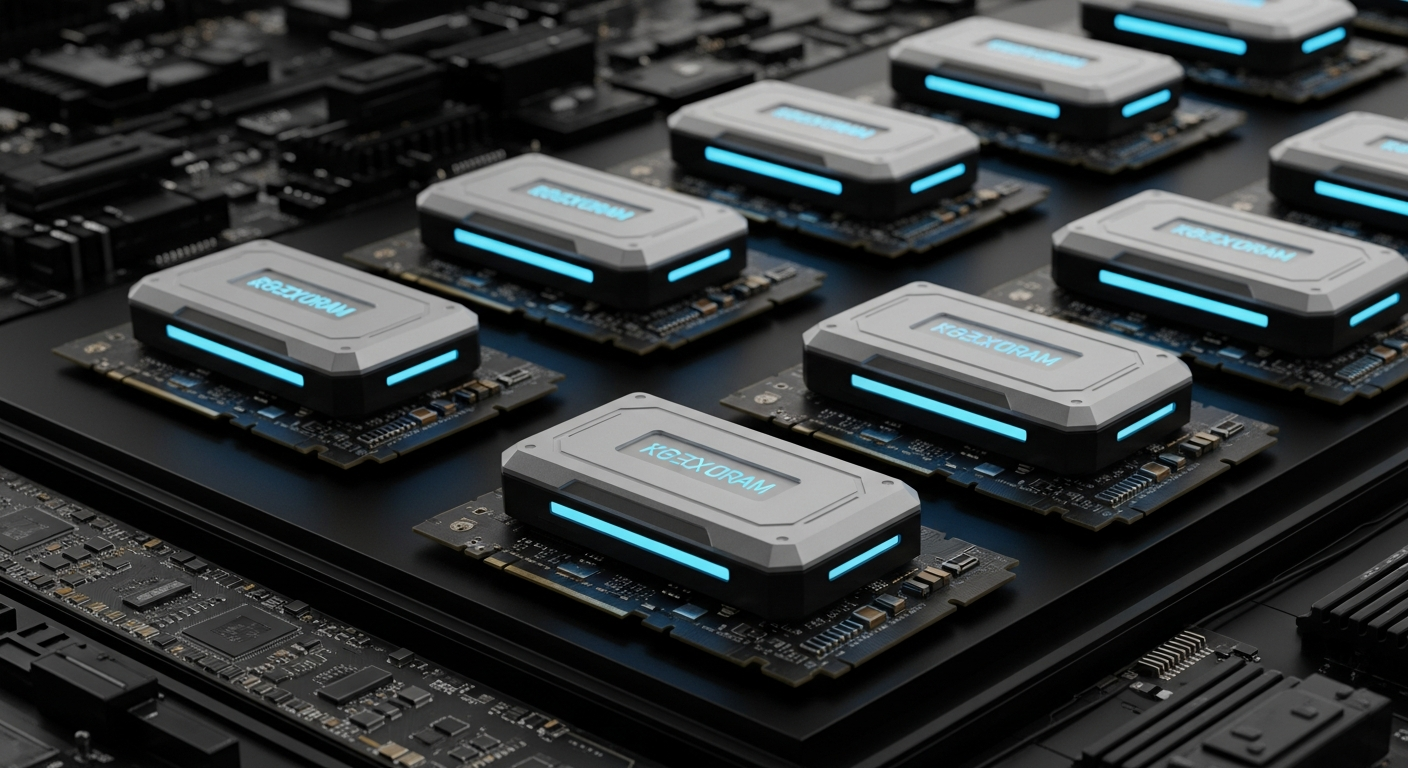
How much hardware a local language model really needs in a factory. How model size maps to VRAM and GPU class, why real utilization matters more than peak, and when a single card is enough.
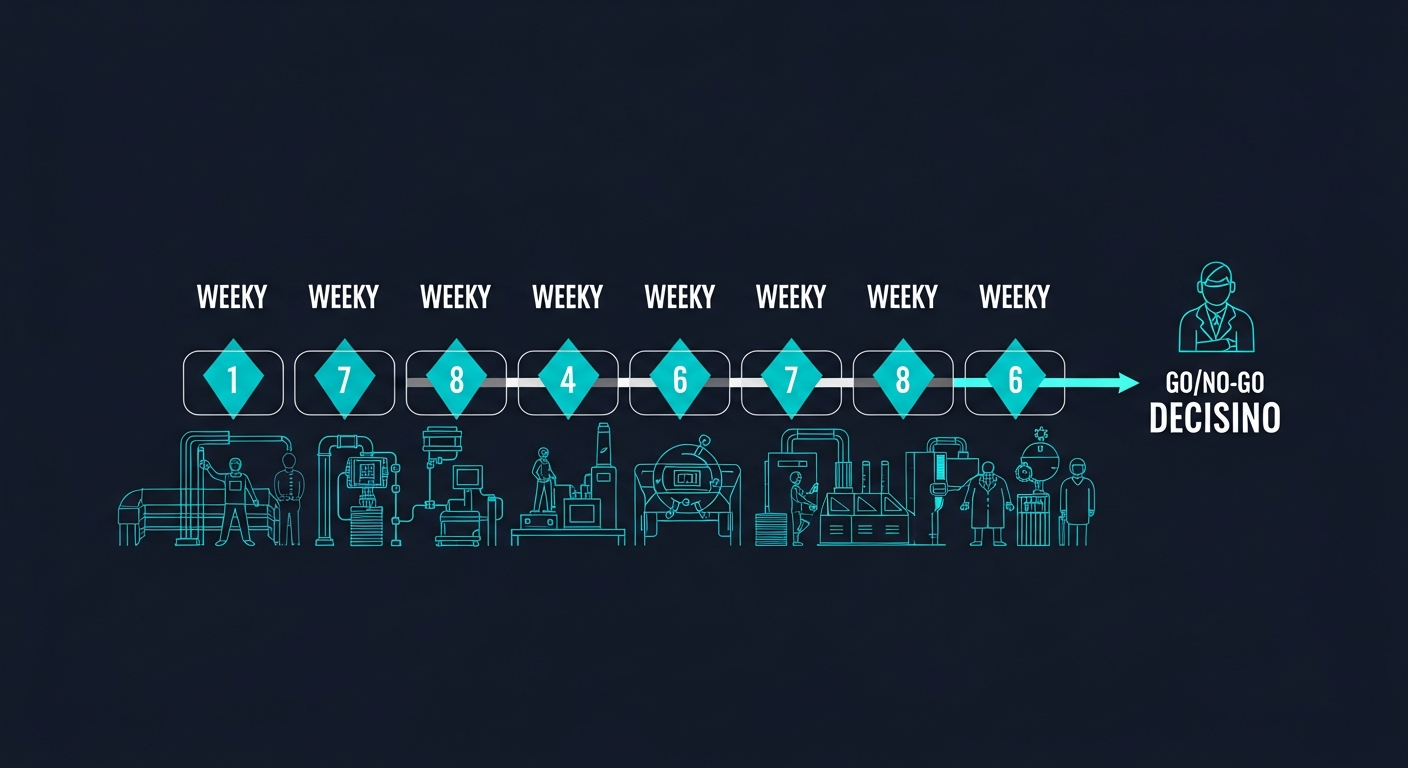
A meaningful AI pilot in manufacturing fits into 8 weeks, but only as an answer to one narrow question. What you can validate, and what is just a sales line.
Engineers paste drawings and technical descriptions into public AI tools because it speeds up their work. We show where know-how actually leaks and how to respond without bans that do not work anyway.
A demo looks impressive, the daily reality of a design office is different. We break down which tasks AI really takes off the engineer and which stay slideware.
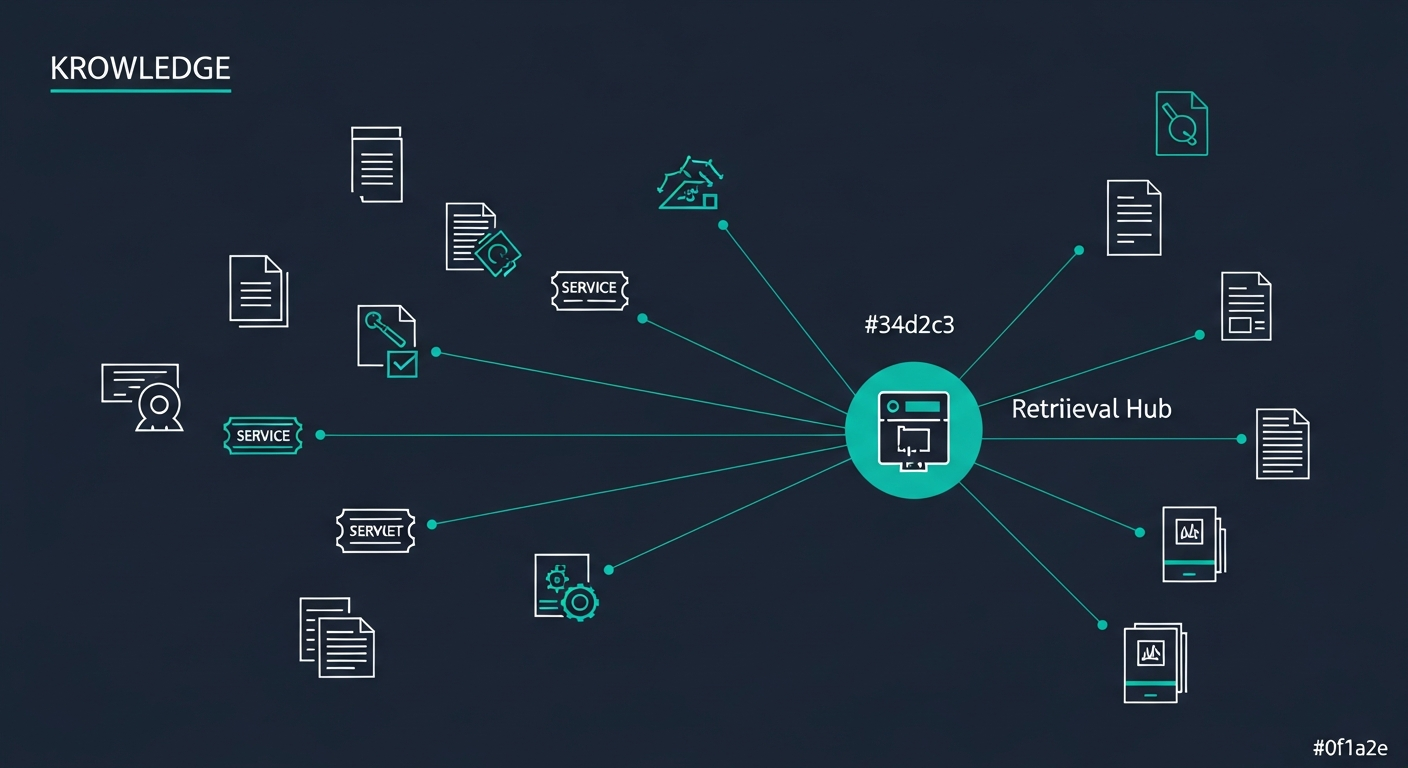
A service assistant is only as good as the knowledge you feed it. This post is about that knowledge: where it lives, how it reaches the model, why retrieval sometimes fails, and how to keep quality from rotting as ticket volume grows.
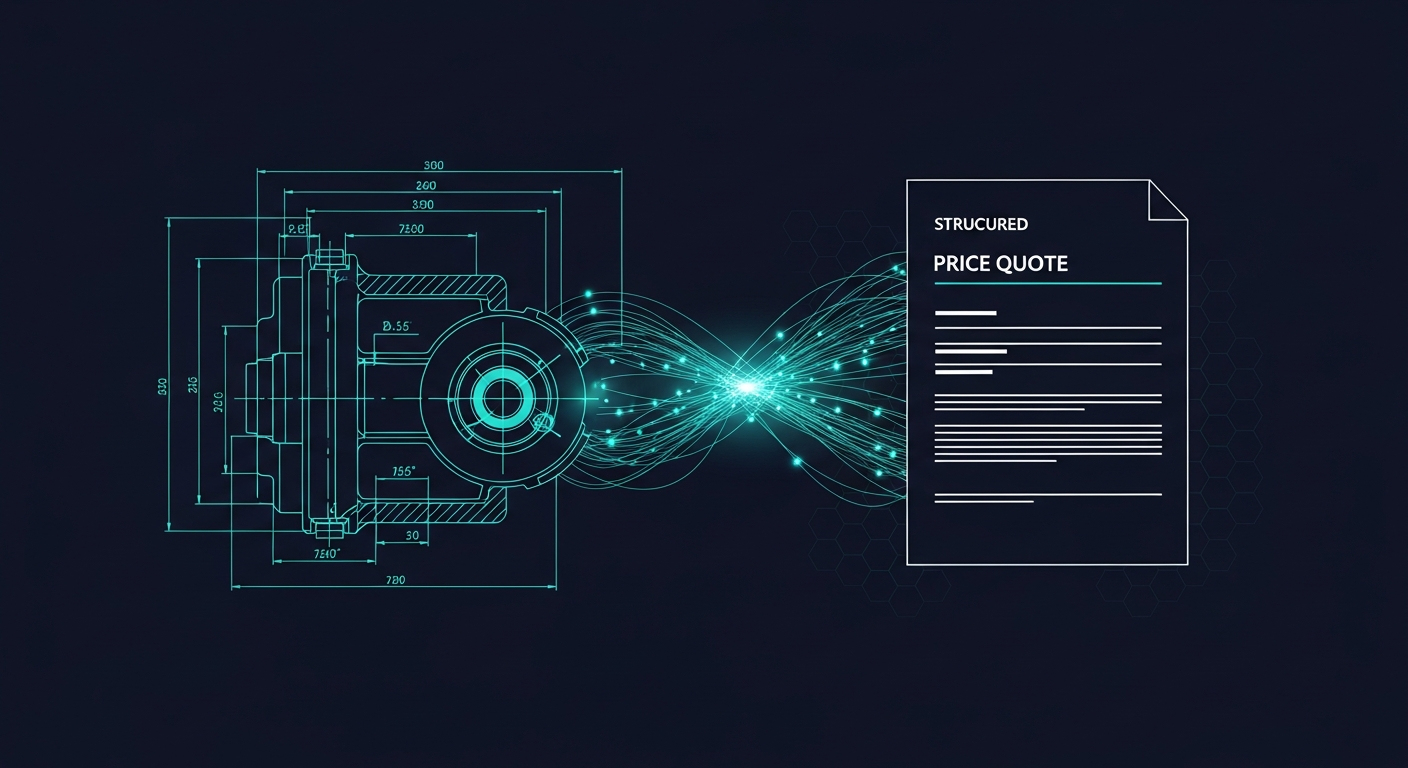
Quoting from a technical drawing is a bottleneck that costs you orders. How AI cuts the cycle from days to hours, where the limits are, and what you need to make it work.
Before you launch an AI pilot, answer five questions. They tell you whether your company is ready to deploy, or just chasing a trend. A simple self-check for mid-sized manufacturers.
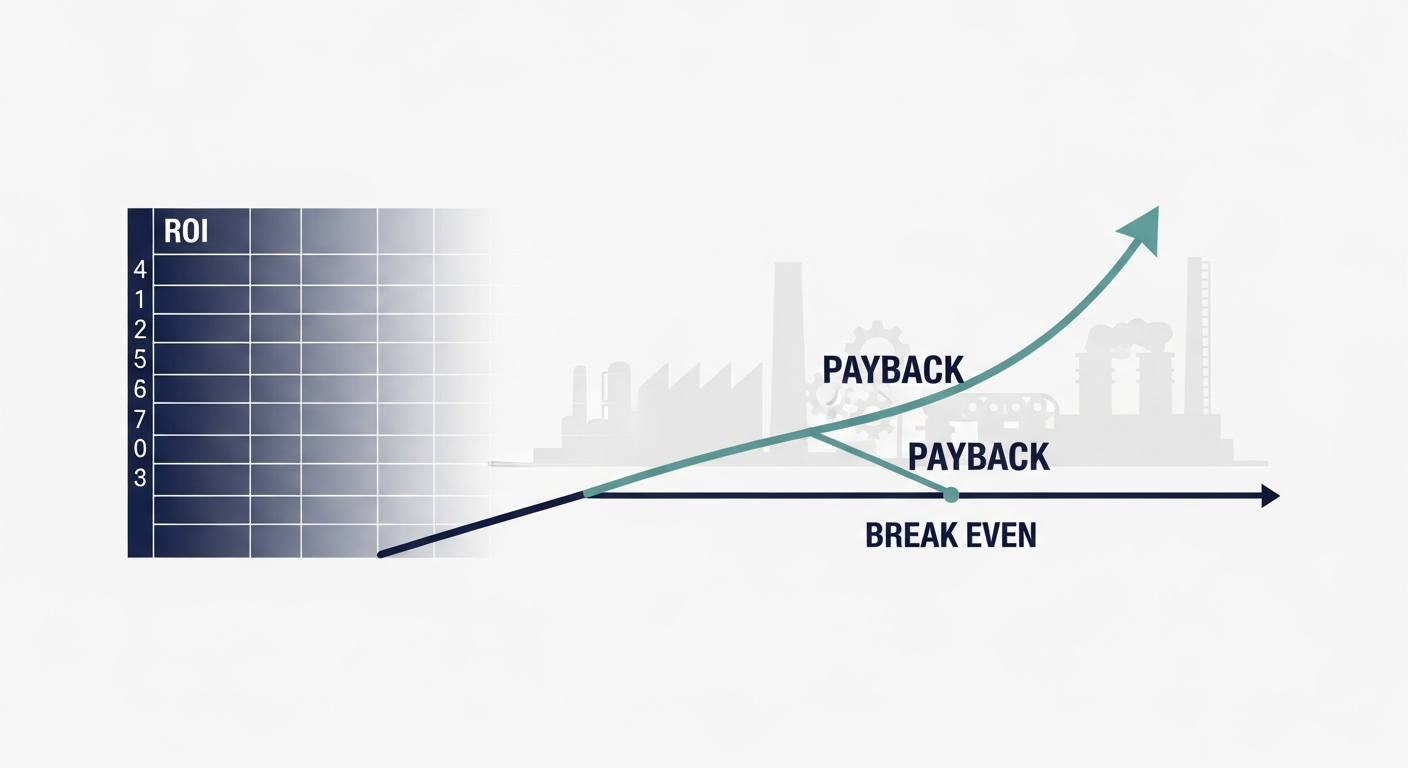
How do you build an honest business case for AI in manufacturing? Which benefits to count, which to leave out, what hidden costs to include, and a ready ROI worksheet to fill in with your own numbers.
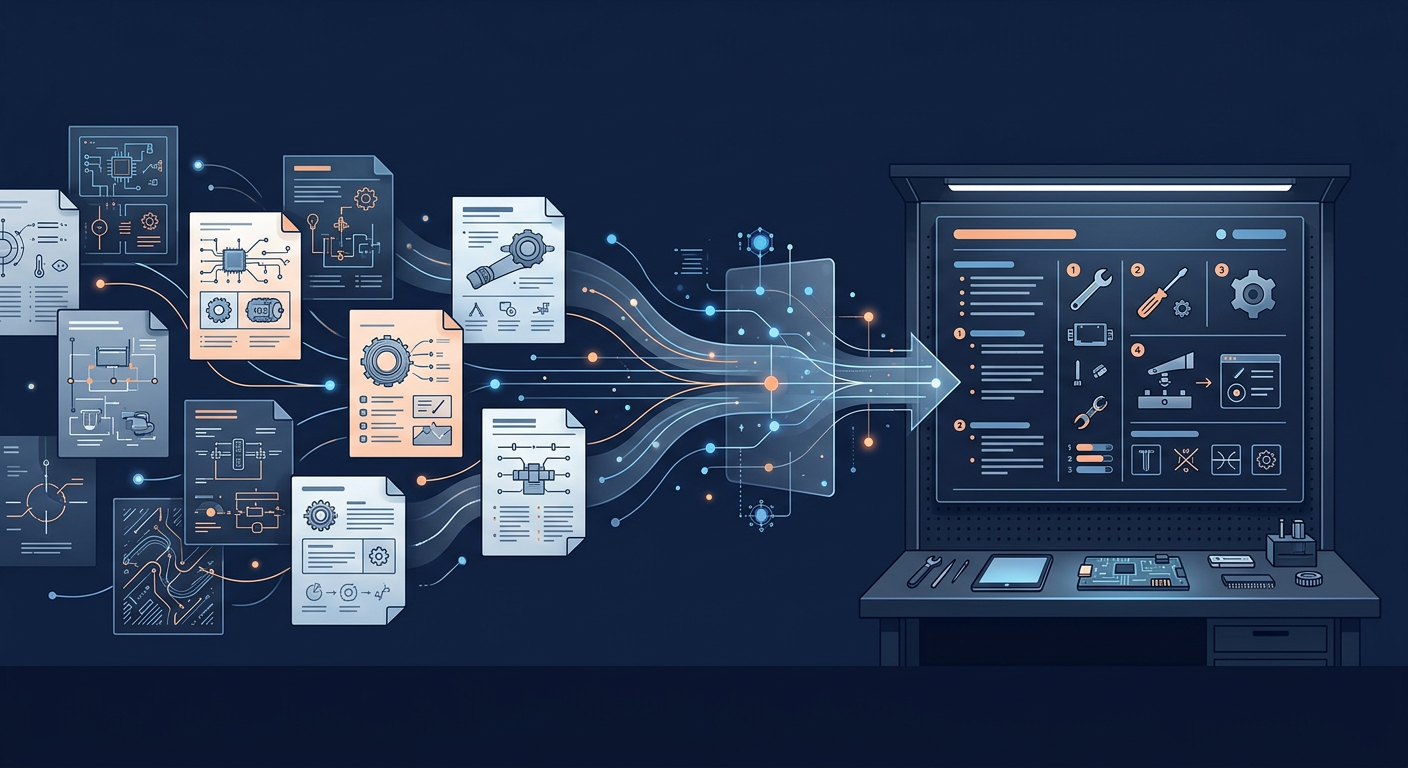
How AI-driven generation of work instructions actually works in mid-size manufacturing. Pipeline architecture, cost categories (pilot PLN 30 to 70k, full deployment 4 to 6 months), when ROI lands under 18 months, when to skip.
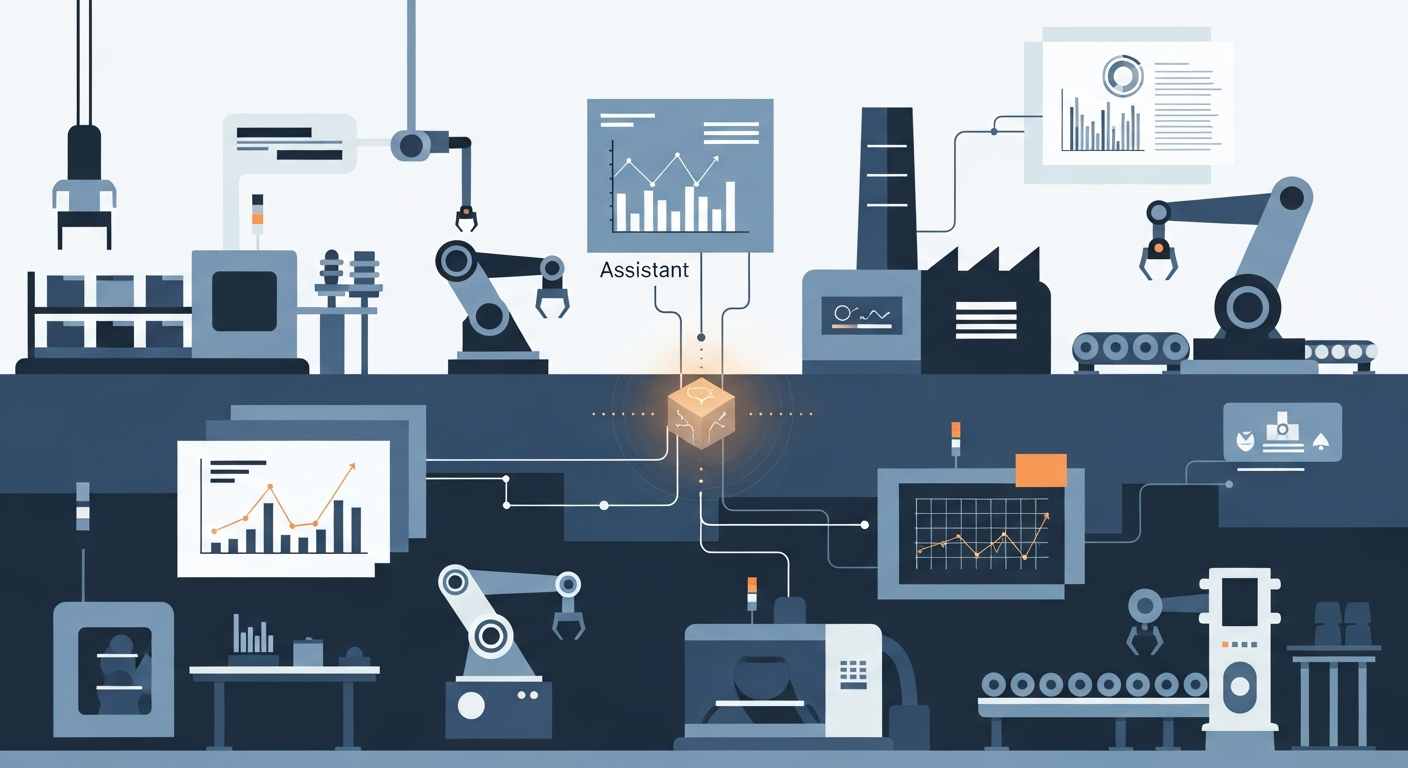
Five concrete AI workflows that pay off in under 18 months at a mid-sized European manufacturer. Service assistant, SOP generation, drawing-to-offer, knowledge orchestration, audit support. Numbers, pitfalls, and a 4-week framework to start.